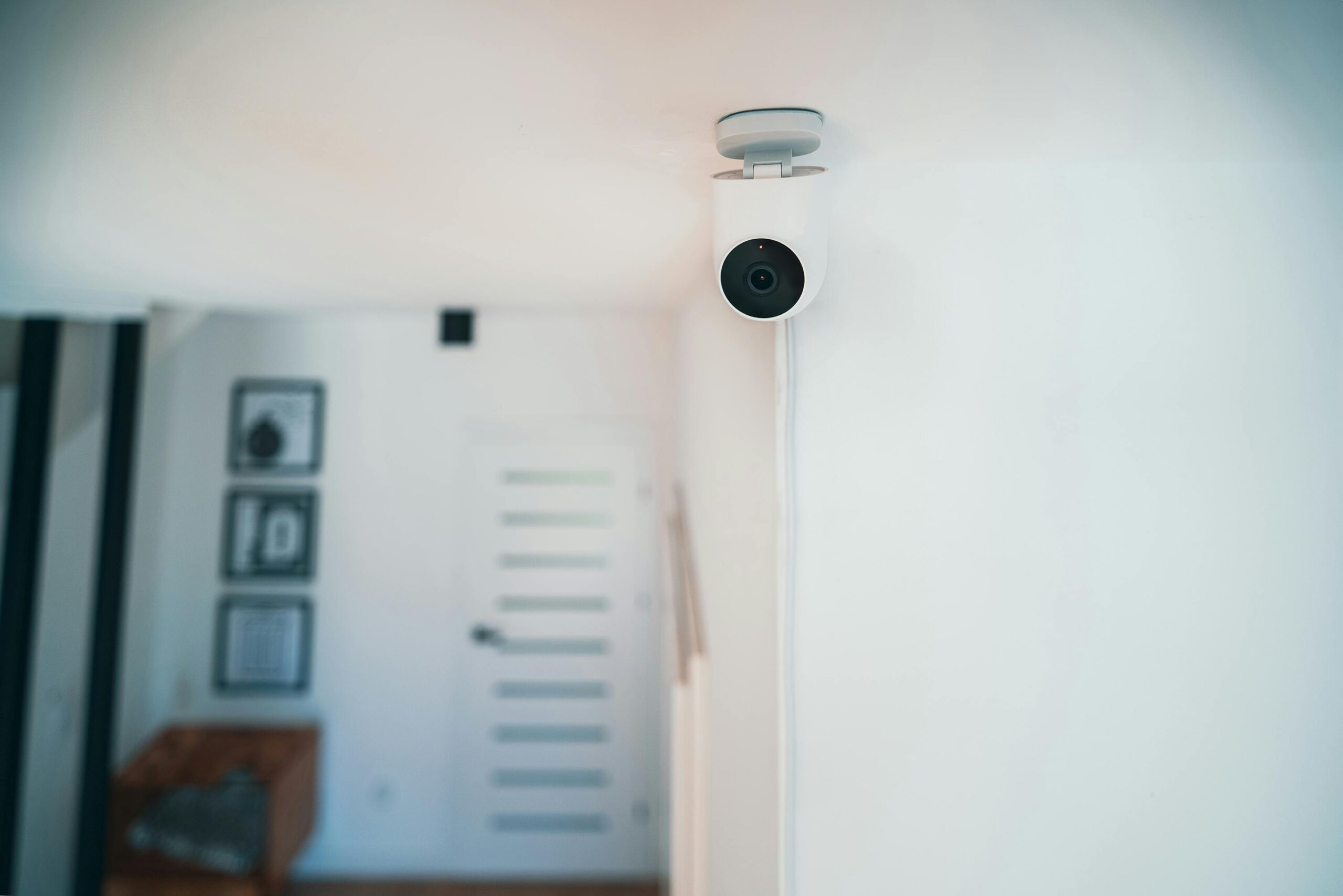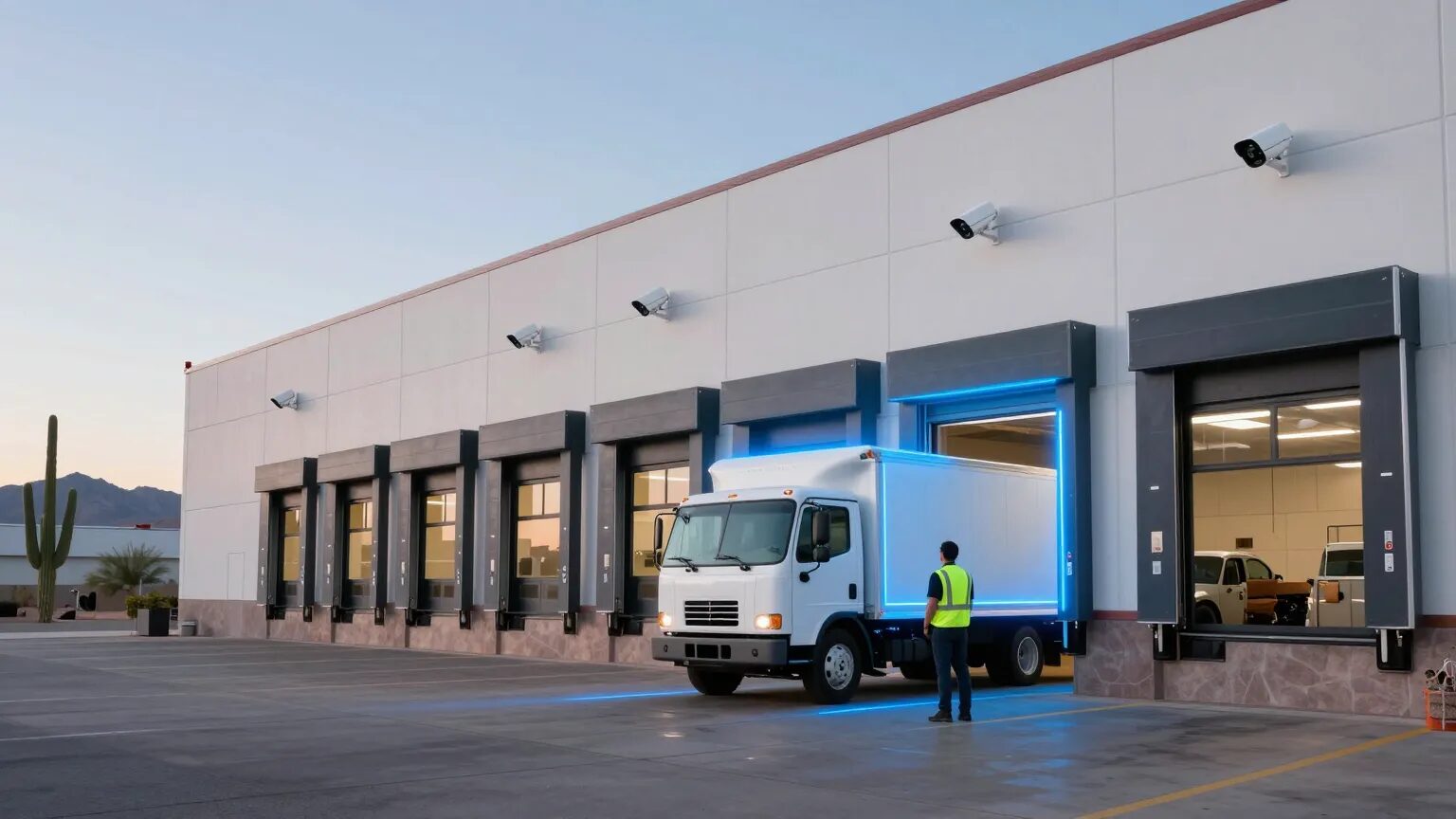
As we move deeper into 2026, surveillance technology is evolving faster than ever. From smarter systems that can anticipate incidents before they happen to ethical considerations that redefine how footage is stored and used, the landscape of surveillance is changing dramatically. Whether you’re a business owner, property manager, or safety professional, understanding where surveillance technology is headed will help you make better decisions to protect people, assets, and data.
At Phoenix Surveillance, we’re constantly tracking industry developments so our clients stay informed and secure. Here are the top surveillance trends to watch in 2026, and why they matter.
1. AI and Machine Learning Become Core Capabilities
Artificial intelligence (AI) and machine learning are no longer buzzwords – they’re foundational technology in modern surveillance systems. In 2026, AI isn’t just for detecting motion; it’s used to analyze behavior patterns, recognize unusual activity, and alert human operators in real time.
Traditional systems capture video and rely on human monitoring. AI-enhanced cameras go a step further by recognizing anomalies that may indicate a security threat. For example, they can detect when someone enters a restricted area, if a group is forming unexpectedly, or if someone lingers in a high-risk zone. This proactive approach reduces false alerts and improves overall safety.
By incorporating AI into your surveillance strategy, you can reduce response times and empower security personnel to act based on insights, not guesswork.
2. Edge Computing Drives Faster, Smarter Monitoring

Edge computing refers to processing data where it’s generated – in this case, right at the camera or local device – rather than sending everything to a central server or cloud for analysis. In 2026, edge computing is reshaping surveillance.
Why does this matter? By processing data locally, cameras and sensors can make decisions instantly, triggering alerts, recording relevant footage, or communicating with other systems without latency. This reduces bandwidth usage, improves reliability during network outages, and enhances data privacy because sensitive footage never travels far.
Surveillance systems built with edge computing are especially beneficial in environments where connectivity is limited or where rapid response is critical, such as warehouses, construction sites, and remote facilities.
3. Cybersecurity and Data Protection Take Center Stage
As surveillance systems become more interconnected, they also become more vulnerable to cyber threats. Hackers targeting cameras and recording equipment can access sensitive footage, disrupt operations, or even use compromised devices as entry points into broader networks.
In 2026, cybersecurity is no longer an afterthought; it’s a requirement. Modern surveillance solutions include encrypted communication, secure authentication protocols, and regular firmware updates to protect against emerging threats.
Businesses must partner with providers that prioritize cybersecurity at every layer of the system. This includes secure storage solutions, controlled user access, and monitoring for suspicious network activity. With regulations tightening around data privacy and breach notifications, proactive cybersecurity isn’t just smart, it’s legally prudent.
4. Integrated Systems for Holistic Safety
Surveillance no longer operates in a vacuum. Today’s security ecosystems connect cameras with access control, alarms, environmental sensors, and even building management systems. In 2026, integrated security platforms are becoming the norm rather than the exception.
When these systems communicate, they create a layered approach to safety. For example, if an access control panel detects unauthorized entry after hours, the surveillance system can automatically focus relevant cameras on that area and begin recording. Environmental sensors might trigger alerts if smoke or unusual temperature changes are detected, while cameras capture visual evidence.
This holistic method enhances situational awareness and allows security teams to see the bigger picture instead of reacting to isolated data points.
5. Cloud Adoption Expands, but Hybrid Models Thrive
Cloud-based surveillance offers flexibility, scalability, and remote access, making it an attractive option for many organizations. In 2026, cloud adoption continues to grow, especially among businesses with multiple locations or distributed teams.
However, purely cloud-based systems aren’t right for every organization. Concerns around bandwidth, latency, and data sovereignty have led many to adopt hybrid models that combine local storage with cloud backups. These hybrid systems offer the best of both worlds: fast access to recent footage on-site, with long-term storage, redundancy, and analytics capabilities in the cloud.
As cloud services mature, we expect more sophisticated tools for searching and analyzing stored footage, making it easier to extract insights and respond to events faster.
6. Ethical and Regulatory Focus Increases
With advances in facial recognition, behavior analysis, and data retention capabilities, ethical concerns around surveillance are front and center in 2026. Communities, regulators, and privacy advocates are demanding transparency around how surveillance data is used, stored, and shared.
Organizations deploying surveillance systems must understand relevant laws and best practices in their jurisdiction. This includes policies for data retention, consent notifications, and limitations on who can access footage. Ethical surveillance programs balance security needs with respect for individual privacy and civil liberties.
Companies that proactively adopt ethical frameworks and communicate their practices clearly gain trust, not just compliance.
7. Smarter Analytics with Predictive Insights
Perhaps the most exciting trend in 2026 is the rise of predictive analytics in surveillance. Instead of merely recording what has already happened, these systems analyze patterns over time to anticipate potential security events before they occur.
Predictive analytics can identify subtle trends, like a vehicle lingering near a delivery dock outside business hours or repeated entries near a storage area, that might otherwise go unnoticed. Combined with AI, these systems help security teams allocate resources more efficiently and intervene before incidents escalate.
Predictive insights transform surveillance from a reactive tool into a strategic asset.
Looking Forward

Surveillance technology in 2026 is smarter, more connected, and more indispensable than ever. Businesses that embrace these trends not only improve their security posture but also protect people, streamline operations, and gain deeper insights into their environments.
At Phoenix Surveillance, we’re committed to helping organizations navigate this evolving landscape with solutions that are secure, scalable, and tailored to real-world needs. If you’re ready to upgrade your surveillance strategy for 2026 and beyond, we’re here to help.
Security isn’t just about watching – it’s about understanding, anticipating, and staying one step ahead.